
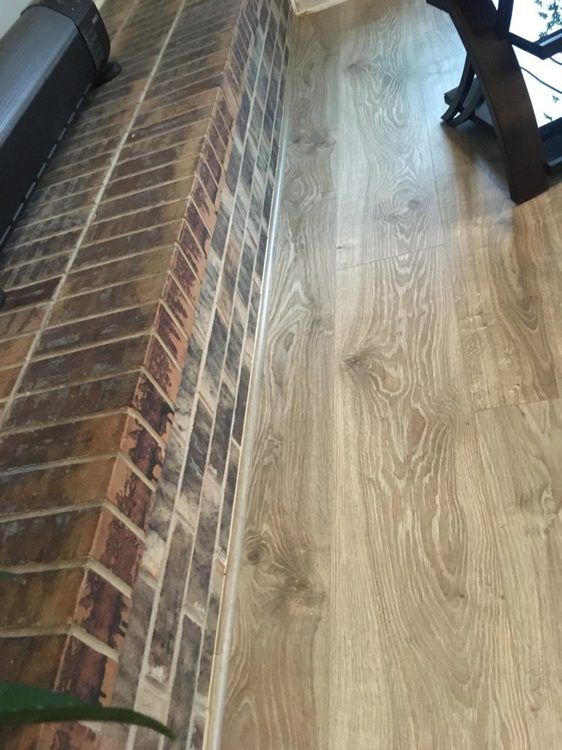
Walnut is the domestic hardwood people reach for when they want a deep brown floor without stain. Its chocolate browns, hints of purple and gray, and grain that’s usually straight but sometimes wild give a room a warmth that stained oak doesn’t quite match.
The tradeoff is softness. Walnut dents more easily than oak, and it changes color in the opposite direction from most woods. Here’s what to know before you choose it.
What American Walnut Looks Like
Black walnut, often called American walnut, has heartwood that ranges from pale brown to dark chocolate brown with darker streaks, according to The Wood Database. Some boards show a gray, purple or reddish cast, and figured boards with curl or burl patterns turn up as well.
It’s a true domestic wood. Wood Floor Business notes that black walnut grows from southern Ontario to central Texas.
The sapwood is pale yellow-gray to nearly white, which creates strong contrast. Wood Floor Business notes that walnut shows striking light sapwood unless it’s steamed for a more uniform color, and lower grades carry more of it.
Grade makes a big difference here. One manufacturer’s select walnut usually runs 90 to 95 percent heartwood or more, while its character grade allows knots, checks and some sapwood. If you want an even brown, ask how much sapwood a grade allows.
The Wood Database also notes that walnut is rarely stained. Its natural color is usually the reason it’s on the shortlist.
How Soft Is Walnut Flooring
The Wood Database lists black walnut at 1,010 lbf on the Janka scale, which measures the force needed to press a steel ball into the wood.
| Species | Janka Hardness (lbf) |
|---|---|
| Brazilian cherry (jatoba) | 2,690 |
| Hickory (shagbark) | 1,880 |
| White oak | 1,350 |
| Red oak | 1,220 |
| Black walnut | 1,010 |
By those numbers, walnut is about 17 percent softer than red oak. The NWFA groups walnut with cherry and birch as less hard than common species like maple, hickory and oak.
You’ll notice it in daily life. High heels, dropped toys and chair legs leave dents sooner on walnut, and dark floors tend to show dust and fine scratches more than mid-tone floors do. Wood Floor Business suggests keeping walnut out of high-traffic areas for that reason.
A matte or satin finish helps hide everyday wear. The NWFA notes that the less sheen a floor has, the less you’ll notice small scratches.
Walnut Gets Lighter With Age
Most woods darken in the light. Walnut usually goes the other way.
AHF Products notes that as walnut ages, it gets lighter and a rich honey color starts to come through the grain. Wood Floor Business makes the same point and adds that walnut is less photosensitive than cherry. Shaw Floors also lists walnut among the dark woods that may lighten.
The biggest changes tend to come early. AHF says the most dramatic color shifts happen within the first six months after installation.
Helping Walnut Age Evenly
- Manage the sun. Shades, curtains or window film slow the change in rooms with strong direct light.
- Move things around. Shifting area rugs and furniture now and then keeps outlines from forming.
- Think about the finish. The NWFA describes oil-based finishes as amber and water-based finishes as normally clear, so an oil-based coat warms walnut while a water-based one keeps its cooler browns.
How Walnut Handles Humidity
On paper, walnut is a bit steadier than red oak. Its shrinkage figures in The Wood Database run slightly lower, so it moves a little less for the same change in moisture.
It still moves, though, and wider boards move more. Keep indoor humidity steady and expect small seasonal gaps during a dry Chicago-area winter.
Solid walnut belongs on or above grade, according to the NWFA. For a basement, engineered walnut is the better fit, since engineered flooring expands and contracts less than solid wood.
Caring for a Walnut Floor
Walnut doesn’t need special products, but its softness rewards good habits.
- Keep grit off. Dust mop, sweep or vacuum on the bare-floor setting, which the NWFA recommends as routine cleaning. Mohawk’s engineered wood care guide warns against vacuums with beater bars.
- Use the right cleaner. The NWFA recommends a cleaner made for the finish on your floor. Mohawk’s guide advises against oil soaps, wax, detergents, abrasive cleaners and polishes.
- Skip wet mops and steam mops. The NWFA says both damage the finish and the wood over time.
- Protect it from furniture. Hardwood Floors magazine recommends fabric-faced glides under furniture legs.
- Watch the claws. Keep pet nails trimmed, and put breathable rugs at exterior doors to catch grit.
- Keep humidity steady. The NWFA recommends 30 to 50 percent year-round.
When the floor starts to look dull, the NWFA notes that a recoat, a fresh coat of finish, can renew it. Our guide on how to maintain your hardwood floors covers the full routine.
Where Walnut Works Best
Walnut shines in bedrooms, dining rooms, living rooms and home offices, where traffic is lighter and the color can carry the room. It also suits households without big dogs or heavy foot traffic.
Think twice about it in an entry, a mudroom or a busy kitchen. Those are the spots where a softer floor shows wear first.
Quality Installs is a family-owned Glenview flooring installer serving towns from Arlington Heights to Lake Forest, and you can read more about our hardwood flooring installation work.
If you want a dark, dramatic floor that stands up to more abuse, Brazilian cherry is more than twice as hard, though it darkens with age instead of lightening. Our Brazilian cherry hardwood flooring guide explains that tradeoff.