
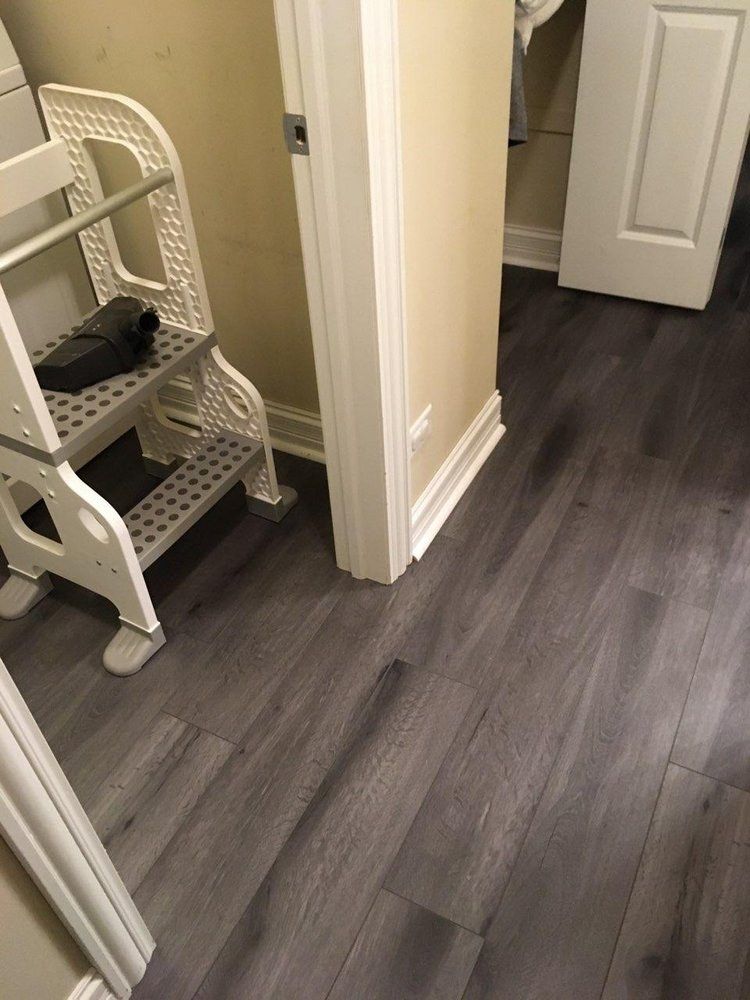
Gray luxury vinyl plank covers a lot of ground. It runs from washed, almost white oak to warm greige to blue-leaning gray to near-black charcoal, and those floors look nothing alike once they’re down.
The shade and undertone you pick decide whether a room feels calm and current or cold and flat. This guide sticks to gray vinyl plank. For gray across hardwood, laminate and tile, see our guide to grey flooring.
Is Gray Vinyl Plank Still a Good Choice
Gray was one of the most popular floor colors in remodels and new builds for about a decade. That has shifted. A 2024 article from a flooring supplier quoted a Sherwin-Williams color expert who said gray is taking a back seat, with greige, taupe and browns gaining ground.
That doesn’t make gray a mistake. It means the cool, flat grays that were everywhere can read dated, while warmer grays that lean toward greige still look current.
The best reason to pick gray in 2026 is that it suits your house, not that it feels like the safe default.
The Three Families of Gray
Almost every gray plank falls into one of three groups. Once you know which one you’re looking at, the rest of the decisions get easier.
Cool Gray
Cool grays carry a blue or green undertone. They look crisp next to white cabinets, black hardware, chrome and marble-look counters. In a north-facing room or next to warm wood furniture, they can feel chilly.
Warm Gray and Greige
Warm grays have a beige or brown undertone, and greige sits right between gray and beige. These are the most forgiving grays. They get along with cream trim, oak furniture, brass fixtures and the warm finishes most homes already have.
Neutral Gray and Charcoal
A true mid-gray has little visible undertone, so it takes on the color of the light in the room. Charcoal is dramatic, and it hides less than people expect. Dark floors show dust, light pet hair and footprints more than mid-tones do.
How to Spot the Undertone Before You Buy
Undertones are easy to miss on a small sample under showroom lights. A few simple checks help.
- Hold the sample next to plain white printer paper. A blue, green or beige cast shows up right away.
- Look at it in your own room in the morning and again in the evening. Warm white bulbs pull gray toward beige, and cool daylight bulbs push it toward blue.
- Set it beside the things that are staying, like cabinets, trim, counters, a fireplace surround or a favorite rug.
- Look at a full plank or several, not a chip. Printed planks repeat their pattern, and a bigger sample shows how often the same knot or streak comes back.
What Gray Vinyl Plank Pairs With
Gray is a neutral, but it isn’t neutral to everything. These pairings tend to work.
- Walls. Soft whites and creams with warm grays. Crisp whites and pale blue-grays with cool grays. Matching the wall gray to the floor gray usually flattens a room.
- Cabinets. White and off-white cabinets work with nearly every gray. Navy and black cabinets look sharp over light and mid grays. Stained wood cabinets do best over warm gray or greige.
- Wood furniture and trim. Warm grays sit comfortably next to oak and walnut. Cool grays can clash with orange-toned oak.
- Metals. Chrome, nickel and black suit cool grays. Brass and bronze suit warm grays.
- Rugs and fabrics. Warm-toned rugs soften a cool gray floor. Charcoal floors look best with lighter rugs that break up the dark.
Where Gray LVP Works Best
Gray plank is at its best in rooms that need a hard-working neutral.
- Kitchens and open floor plans. A mid-tone gray hides crumbs and dust better than very light or very dark floors, and it runs cleanly from the kitchen into the living area.
- Basements. Light and mid warm grays keep a low-light room from feeling like a cave, and rigid core vinyl handles a concrete slab far better than wood.
- Bathrooms and laundry rooms. Gray sits well with white tile, white fixtures and stainless appliances.
- Rentals and offices. A neutral gray works with most furniture and hides everyday wear.
It struggles in a few places. Cool gray in a dim, north-facing room can look drab, and cool gray next to a house full of warm oak trim tends to fight it. Charcoal in a mudroom with a light-colored dog will show every walk.
If you’re leaning much lighter, our post on white vinyl flooring covers what that takes to live with.
Pick the Plank, Not Just the Color
Two floors in the same gray can perform very differently. Check these before you fall for a color.
Wear Layer
The wear layer is the clear top layer that takes the abuse. Vinyl wear layers commonly run from about 6 mil to 20 mil and up, and 20 mil is a solid choice for homes with pets or heavy traffic. Compare wear layers directly, since total plank thickness also counts the core and any attached pad.
Finish and Texture
Low-sheen and matte finishes hide scratches, scuffs and dust better than glossy ones, and matte is where finishes are heading anyway. A textured or brushed surface hides more than a smooth one, which matters most on darker grays.
Edges
Beveled edges outline each plank, which makes the floor read more like real boards. On a very light or very dark gray, those grooves also show trapped dirt, so a square edge or a slight micro-bevel can look cleaner.
Sunlight
Long exposure to direct sun can discolor vinyl and makes the planks expand. Blinds or shades on big south and west windows help any floor, gray or not.
Getting a Gray Floor Installed Right
Gray is honest about installation. Planks pulled from only one or two cartons can bunch the same print together, so it pays to mix planks from several boxes as they go down. Short, clustered end joints also stand out more on a uniform gray than on a busy, rustic look.
The subfloor matters too. Rigid core planks generally want the floor flat within about 3/16 inch over 10 feet, and a dip that gets skipped shows up later as a soft spot or a joint that won’t stay tight.
Quality Installs is a family-owned team of flooring installers in Glenview, and luxury vinyl plank is one of the three floors we install, along with hardwood and laminate. You can read more about our vinyl plank installation work for homes and businesses.